Sages & SagacityArchitectural & Development Advisory Reimagine your place
Reimagine your place

Architectural & Development Advisory

REIMAGINING PLACES

Unrealised potential. New possibilities. Practical pathways.

For places that are underused, in decline or yet to find their purpose.
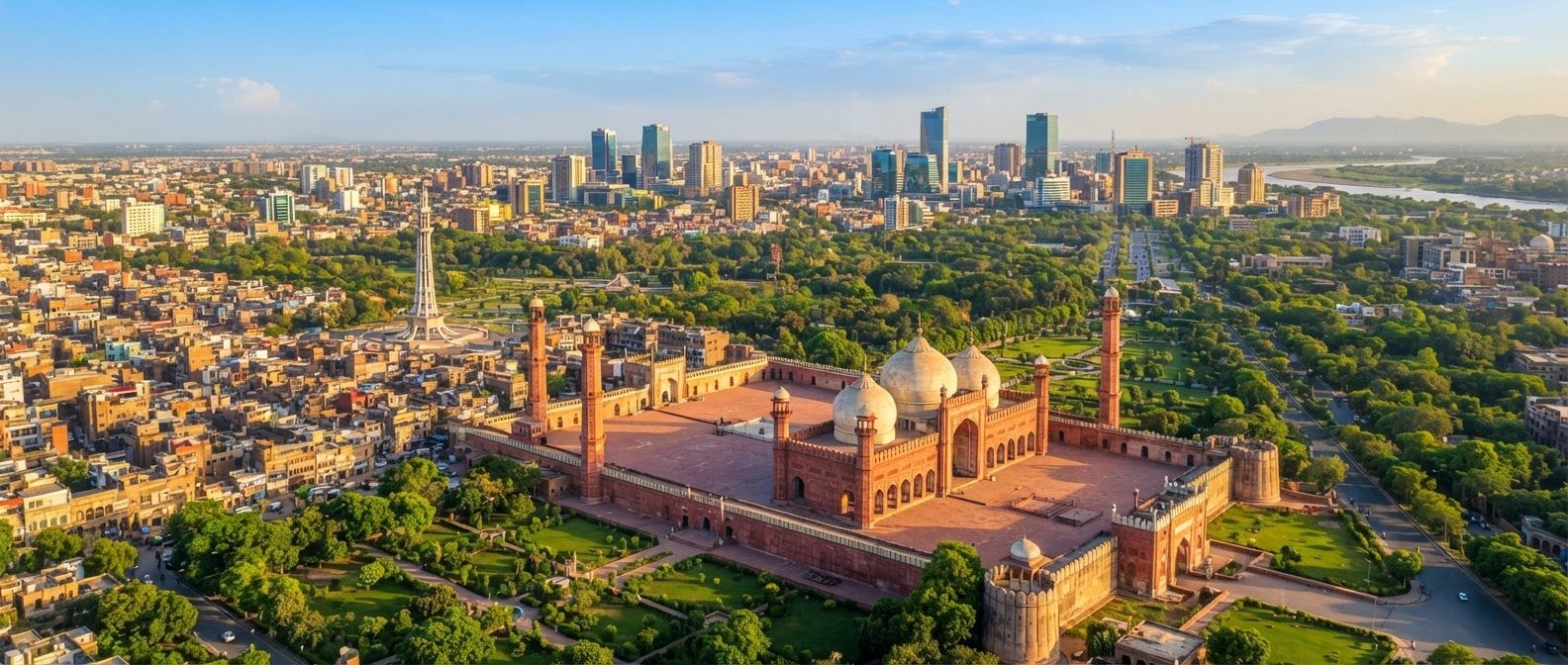
Aerial view of Lahore with the Badshahi Mosque and Minar-e-Pakistan
40+years of public development leadership
9advisory services
1,209historic properties restored, Walled City of Lahore
2UNESCO Asia-Pacific heritage awards

Start from your situation

WHERE IS YOUR PLACE TODAY

Choose the situation closest to yours.

01 · Underused

My space is underutilised

A space with capacity for far more activity than it carries today.

Questions to answer

  • What is the space used for today, and by whom?
  • What latent demand exists in its catchment?
  • What could it host at different times of day and year?

Method stages

  • Recognise
  • Diagnose
  • Reimagine

Possible interventions

  • Reprogramming
  • Interim uses
  • Complementary new uses

To begin, shareLocation and plans · Current uses and hours · Ownership and constraints

Start with this situation

Our distinction

A DIFFERENT STARTING POINT

Four questions decide a place's future. Most briefs ask the wrong four.

The conventional brief

  1. What should we build?
  2. How should it look?
  3. Who will lease it?
  4. What will it cost?

Our brief

  1. What else could this place become?
  2. Who would it serve?
  3. Why would people come?
  4. How does that potential become lasting value?

Why Sages & Sagacity

TWO PERSPECTIVES

Every proposition is tested against both: what the place will permit, and what it requires to succeed commercially.

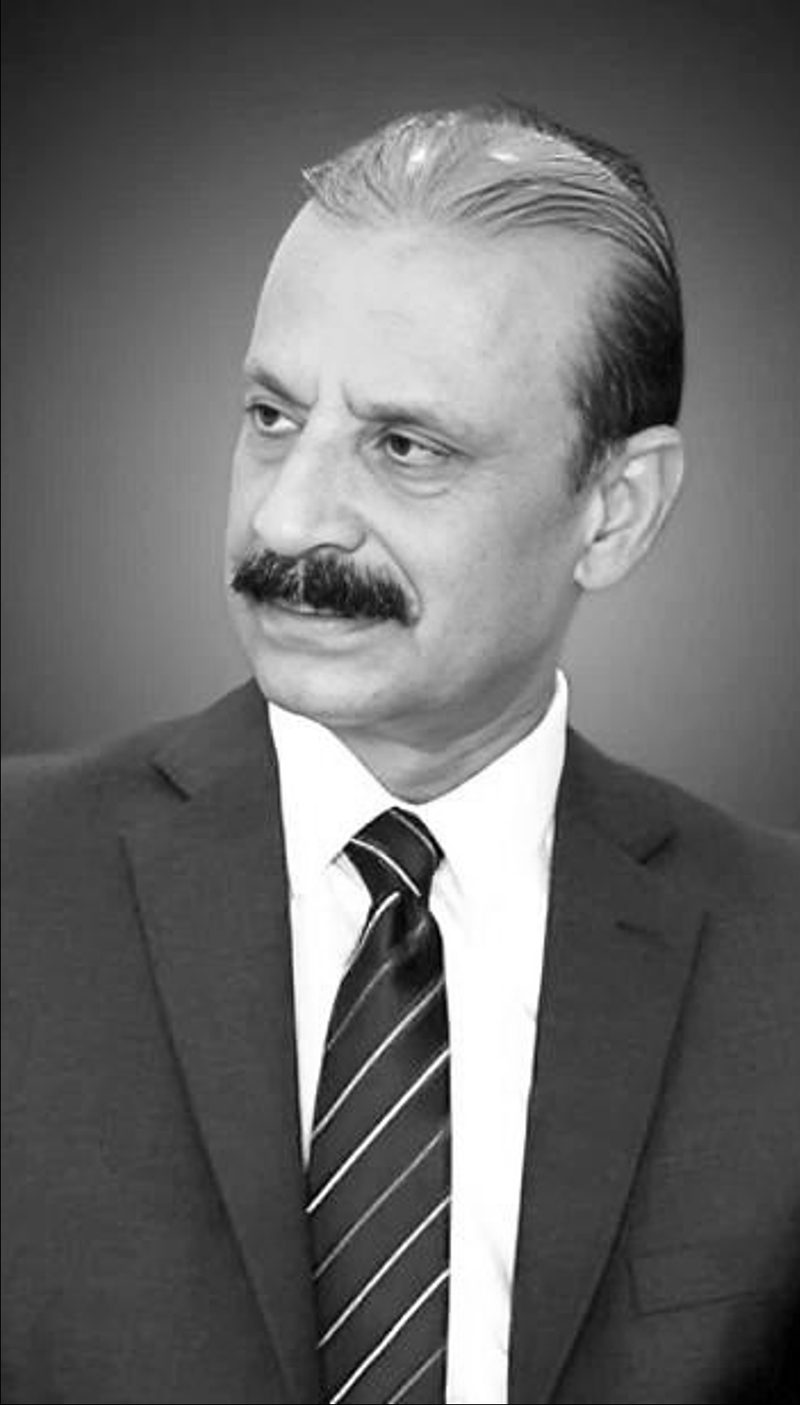
Kamran Lashari

Kamran Lashari · Founder, Chairman & CEO

Public Service, Urban Development, Regeneration & Heritage

Thirteen years leading the Walled City of Lahore Authority and five as Chairman of the Capital Development Authority.

Full profile

Sabahat Rafiq

Sabahat Rafiq · Co-Founder & COO

Commercial Strategy & Operations

President & CEO of Lampro Mellon and founder of Luna Heritage, with board roles in Pakistan and the United States.

Full profile

Our method

SEVEN-STAGE METHOD

Each stage ends in defined outputs.

The full method
  1. 01

    Recognise

    The place, and the gap between its performance and its potential.

  2. 02

    Diagnose

    Why the place underperforms.

  3. 03

    Reimagine

    Several possible directions for the place.

  4. 04

    Curate

    The strongest direction, chosen and shaped.

  5. 05

    Mobilise

    Owners, operators, partners and communities behind it.

  6. 06

    Activate

    From strategy to work on the ground.

  7. 07

    Measure & Evolve

    Results tracked and the proposition refined.

Intended outcomes

OUTCOMES WE WORK TOWARDS

Results we design for and measure.

  1. 01Stronger reasons to visit
  2. 02Deeper public engagement
  3. 03Better use of space
  4. 04A clearer destination identity
  5. 05A more relevant retail and activity mix
  6. 06Practical responses to vacancy

Advisory services

NINE ADVISORY SERVICES

Commissioned individually or in combination.

Strategic advisoryDiagnosis, direction and evidenceConcept developmentAlternative concepts and propositionsImplementation supportRoadmaps, mobilisation and measurementSpecialist deliveryDesign, works and regulated services, by named professionals
01

Place Reimagination & Opportunity Strategy

Where is the unrealised value in this place?

Strategic advisory · Concept developmentDiscuss this service

For owners who sense a place could perform better but cannot yet see how.

Deliverables

  • Opportunity map
  • Alternative-use scenarios
  • Concept narratives
  • Place positioning
  • Highest and best use assessment
  • Recommended direction and brief
Typical clients
Landowners, family property businesses, public bodies, acquirers
Method stages
Recognise · Diagnose · Reimagine · Curate
Specialists engaged
Valuers, title advisers, planning consultants
Not included
Formal valuations, title investigation, planning applications
02

New Development Concept & Master Planning

What will make a new scheme a destination?

Concept development · Strategic advisoryDiscuss this service

Best commissioned before design is fixed, while the concept can still shape the scheme.

Deliverables

  • Place vision and positioning
  • Target audiences
  • Use mix and density schedule
  • Spatial and public-realm framework
  • Pre-opening activation plan
  • Design brief and master plan review
Typical clients
Developers, master developers, development authorities
Method stages
Reimagine · Curate · Mobilise · Activate
Specialists engaged
Registered architects and planners, landscape, transport and infrastructure engineers
Not included
Architectural design, submission drawings, design certification
03

Retail Curation & Destination Repositioning

Why would shoppers choose this destination?

Strategic advisory · Concept developmentDiscuss this service

For owners whose retail offer no longer matches what their catchment wants.

Deliverables

  • Retail proposition review
  • Tenant and category mix strategy
  • Customer journey assessment
  • Destination identity
  • Vacancy and underperforming space strategy
  • Retail, leisure and public-realm integration
Typical clients
Retail centre owners, asset managers, market and high-street bodies
Method stages
Diagnose · Reimagine · Curate · Mobilise
Specialists engaged
Leasing agents, retail operators, footfall analysts
Not included
Leasing and brokerage, tenant negotiations, marketing execution
04

Property Revitalisation & Adaptive Reuse

Reprogramme, reposition, reuse or redevelop?

Strategic advisory · Concept developmentDiscuss this service

From a single vacant unit to a whole obsolete building.

Deliverables

  • Underperformance diagnosis
  • Repositioning scenarios
  • Adaptive reuse options
  • Interim-use strategy
  • Alternative operators and partners
  • Phased activation plan
Typical clients
Owners of vacant or declining assets, investors, public authorities
Method stages
Diagnose · Reimagine · Curate · Activate
Specialists engaged
Architects, structural engineers, planning consultants
Not included
Structural design, building works, change-of-use applications
05

Urban Regeneration & Public Realm Activation

What will bring a street, square or park into sustained use?

Strategic advisory · Implementation supportDiscuss this service

For spaces that are physically complete but socially empty.

Deliverables

  • Public space diagnosis
  • Urban activation strategy
  • Temporary and permanent uses
  • Activity and programme plan
  • Connections to surrounding streets
  • Management and maintenance model
Typical clients
Development authorities, municipal bodies, district owners
Method stages
Recognise · Diagnose · Mobilise · Activate
Specialists engaged
Urban designers, landscape architects, lighting designers, transport engineers
Not included
Public works, design certification, statutory consents
06

Heritage Conservation & Site Activation

How should a historic site be conserved, programmed and managed?

Strategic advisory · Implementation supportDiscuss this service

For monuments and historic districts that need both protection and a public life.

Deliverables

  • Conservation strategy
  • Conservation priorities and phasing
  • Site activation plan
  • Visitor and interpretation advice
  • Stakeholder and community considerations
  • Management and operating model
Typical clients
Heritage bodies, public authorities, cultural institutions, owners of historic property
Method stages
Recognise · Reimagine · Mobilise · Activate
Specialists engaged
Conservation architects, heritage structural engineers, archaeologists, lighting designers, operators
Not included
Conservation works, works to protected fabric, event production
07

Footfall, Customer & Community Mobilisation

Who should come, and what will bring them back?

Strategic advisory · Implementation supportDiscuss this service

For destinations whose offer exists but whose audience does not.

Deliverables

  • Audience and user insight
  • Customer and community journeys
  • Activation programme and calendar
  • Events and cultural partnerships
  • Repeat-visitation strategy
  • Engagement and participation framework
Typical clients
Destination owners, retail centres, public bodies, cultural institutions
Method stages
Mobilise · Activate · Measure & Evolve
Specialists engaged
Event producers, cultural organisations, communications agencies
Not included
Event production, media buying, sponsorship sales
08

Commercial, Market & Feasibility Assessment
Will the market support it, and what must be resolved first?

Strategic advisoryDiscuss this service

Every assumption is stated plainly, with its source and our confidence in it.

Deliverables

  • Market and comparables analysis
  • Demand and supply assessment
  • Commercial scenarios
  • Preliminary feasibility report
  • Constraints and approvals schedule
  • Statement of assumptions
Typical clients
Developers, landowners, institutional owners
Method stages
Diagnose · Curate
Specialists engaged
Market researchers, valuers, quantity surveyors, engineers
Not included
Investment advice, valuations, cost plans, arranging finance
09

Implementation Roadmaps & Performance Measurement

How does a strategy become action, and how is progress proven?

Implementation supportDiscuss this service

Commissioned once a direction is agreed.

Deliverables

  • Phased implementation roadmap
  • Pilot and test interventions
  • Governance and responsibilities
  • Stakeholder coordination, where agreed
  • Performance indicators and baseline
  • Evaluation and refinement
Typical clients
Owners, developers and authorities ready to proceed
Method stages
Activate · Measure & Evolve
Specialists engaged
Project managers, contractors, survey and data providers
Not included
Project management, construction, contract administration

Sectors of practice

PLACES WE REIMAGINE

We advise on places that are old, new, vacant or in decline. Each panel sets out the variables that decide the outcome.

01

Urban Development & Regeneration

How is an established district renewed while retaining its residents and trades?

Critical factors

  • Fragmented land ownership
  • Resident communities and trades
  • Ageing infrastructure
  • Access and movement
  • Public-realm condition
Typical clients
Public authorities, district landowners, master developers
Relevant experience
Walled City of Lahore urban rehabilitation, 2012–2025

ServicesUrban Regeneration & Public Realm Activation·Place Reimagination & Opportunity Strategy·Implementation Roadmaps & Performance Measurement

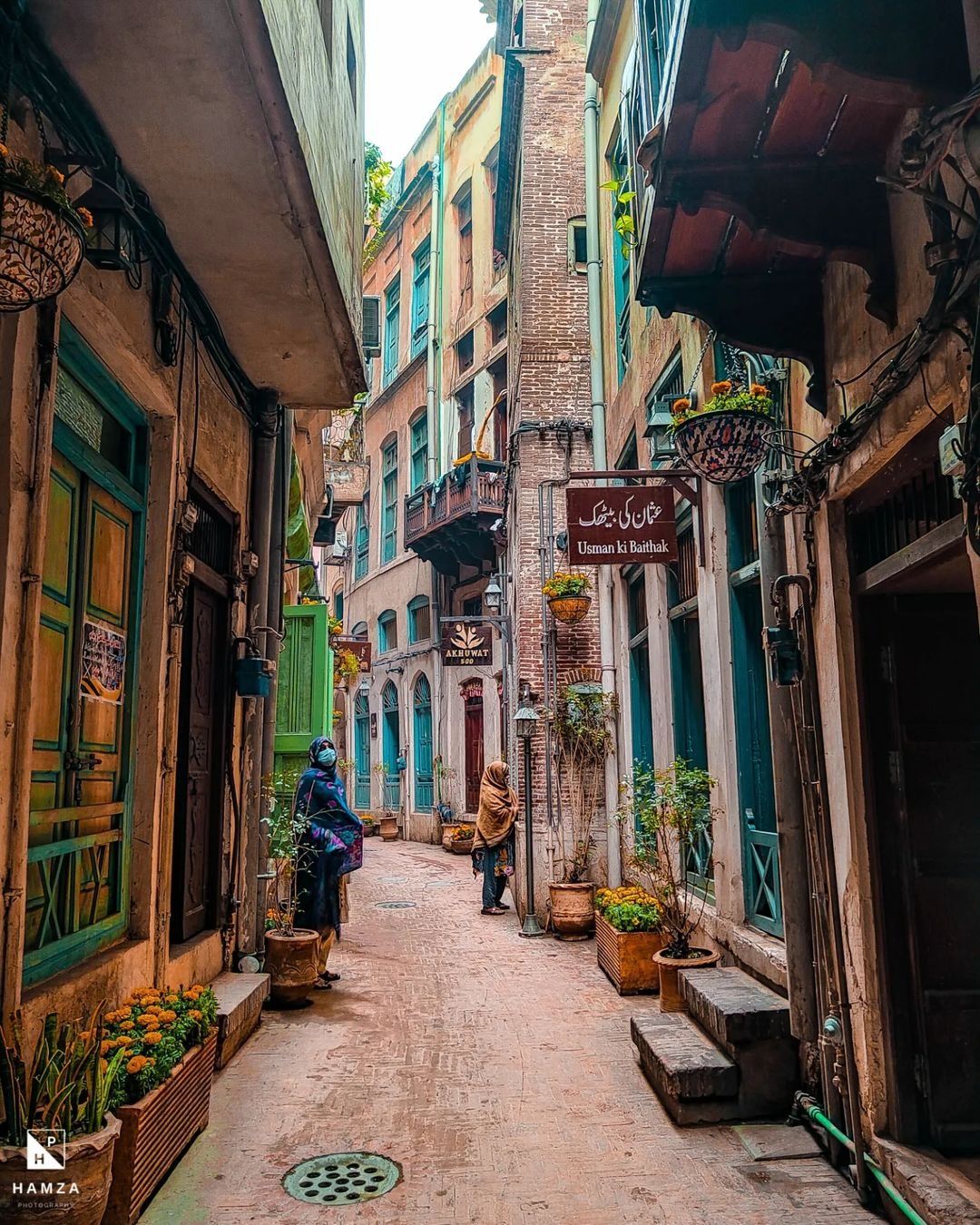
A rehabilitated lane in the Walled City of Lahore
02

Civic & Public‑Realm Projects

Who is the space for, and who will run it?

Critical factors

  • Location and access
  • Programme of activity
  • Safety and lighting
  • Management and maintenance
  • Active edges
Typical clients
Development authorities, municipal bodies, private estate owners
Relevant experience
Lake View Park, Daman-e-Koh and F-9 Park, Islamabad

ServicesUrban Regeneration & Public Realm Activation·Footfall, Customer & Community Mobilisation·Implementation Roadmaps & Performance Measurement

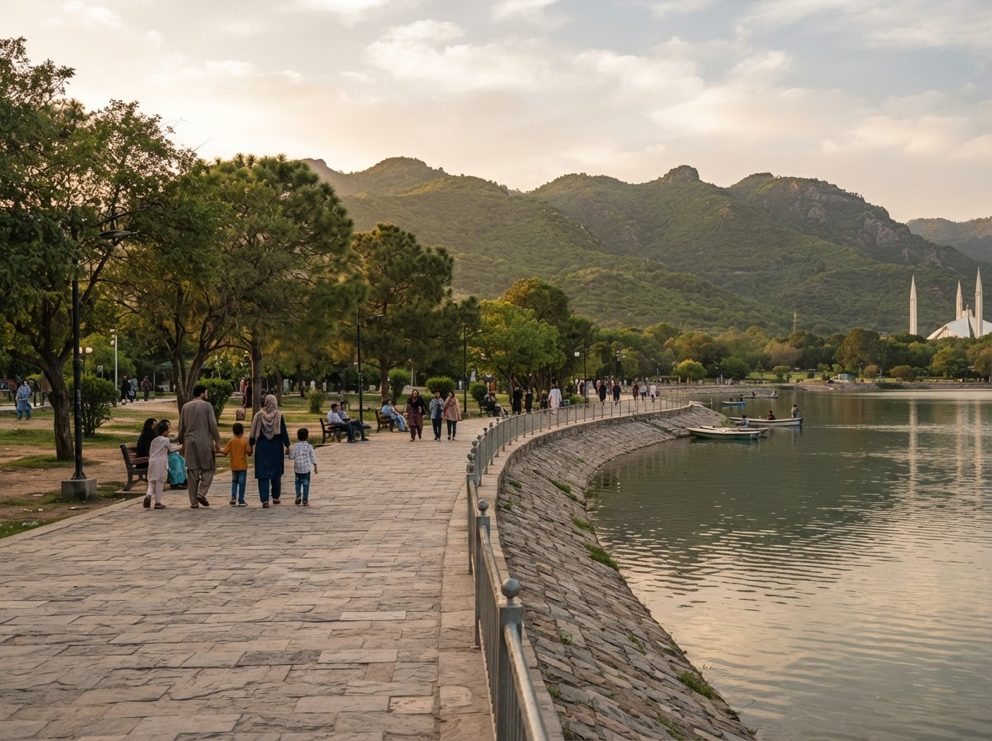
Lakeside promenade in Islamabad
03

Retail & Commercial Destinations

Why are visitors, tenants or spend draining away?

Critical factors

  • Tenant and category mix
  • Anchor and complementary uses
  • Customer journey and adjacencies
  • Vacancy and tenant churn
  • Reasons for repeat visits
Typical clients
Retail centre owners, asset managers, market and high-street bodies
Relevant experience
Gawalmandi Food Street, Lahore

ServicesRetail Curation & Destination Repositioning·Footfall, Customer & Community Mobilisation·Commercial, Market & Feasibility Assessment

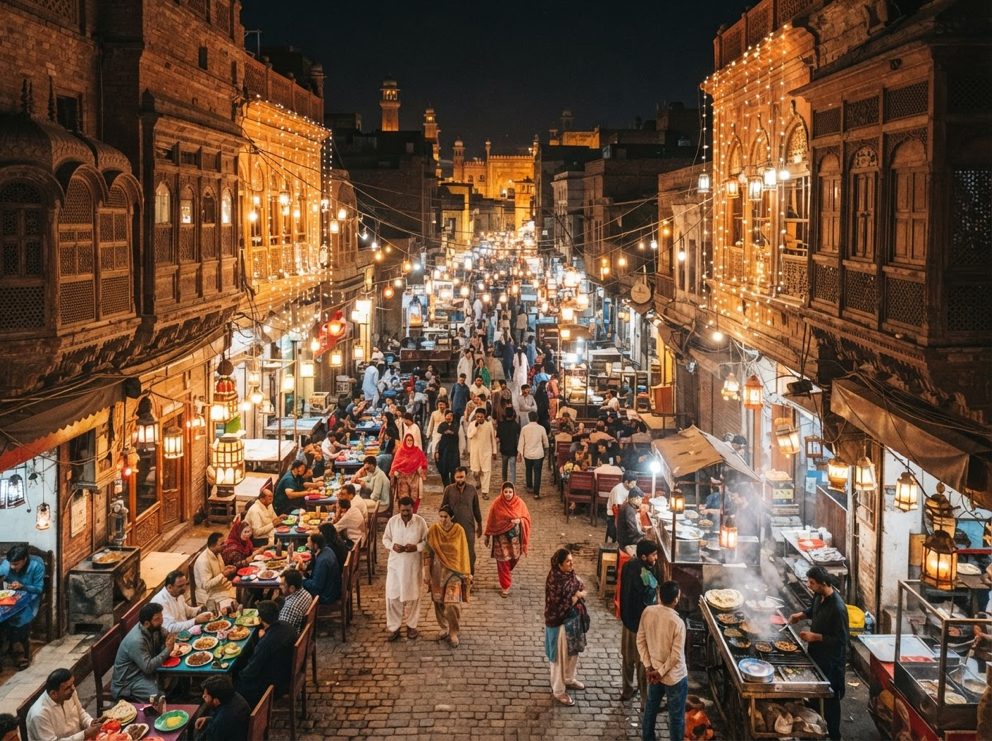
Gawalmandi Food Street, Lahore, in the evening
06

Underperforming & Distressed Property

Why has this property stopped performing, and what will restore it?

Critical factors

  • Cause of decline
  • Condition and obsolescence
  • Occupier and tenant demand
  • Capital required
  • Ownership and management
Typical clients
Asset owners, investors, asset managers
Relevant experience
Royal Kitchens and Kharak Singh Haveli, Lahore Fort: disused buildings returned to public use

ServicesProperty Revitalisation & Adaptive Reuse·Retail Curation & Destination Repositioning·Implementation Roadmaps & Performance Measurement
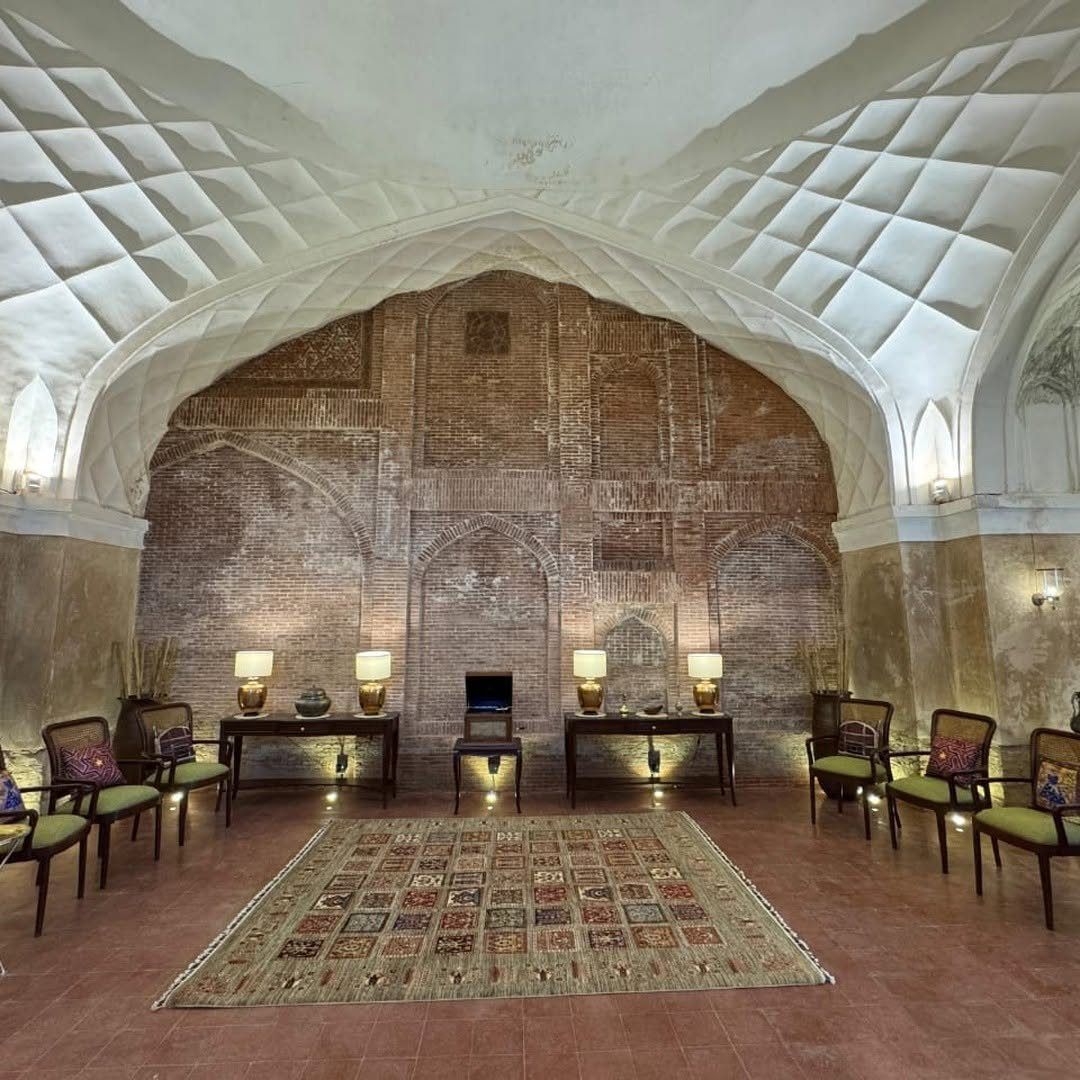
A conserved vaulted hall returned to use
07

Heritage & Adaptive Reuse

Which use can a historic building sustain, and which will sustain it?

Critical factors

  • Significance and condition
  • Statutory protection
  • Capacity of the historic fabric
  • Demand for proposed uses
  • Long-term maintenance liability
Typical clients
Owners of historic property, heritage authorities, cultural institutions
Relevant experience
Shahi Hammam restoration, Walled City of Lahore

ServicesHeritage Conservation & Site Activation·Property Revitalisation & Adaptive Reuse·Place Reimagination & Opportunity Strategy

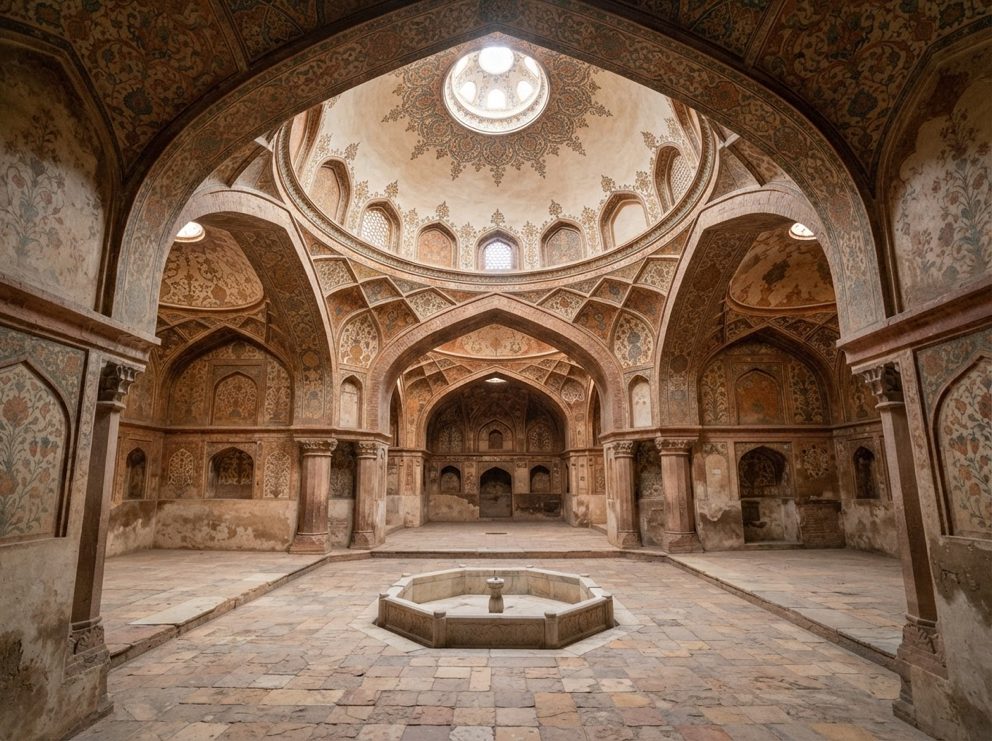
Interior of the Shahi Hammam, Lahore
08

Tourism & Hospitality

Will visitor demand sustain the proposition year-round?

Critical factors

  • Accessibility
  • Seasonality
  • Length of stay and visitor spend
  • Depth of surrounding offer
  • Operator appetite
Typical clients
Destination owners, hospitality developers, tourism authorities
Relevant experience
History by Night at Lahore Fort; Mela Chiraghan at Shalimar Gardens

ServicesHeritage Conservation & Site Activation·Footfall, Customer & Community Mobilisation·Commercial, Market & Feasibility Assessment
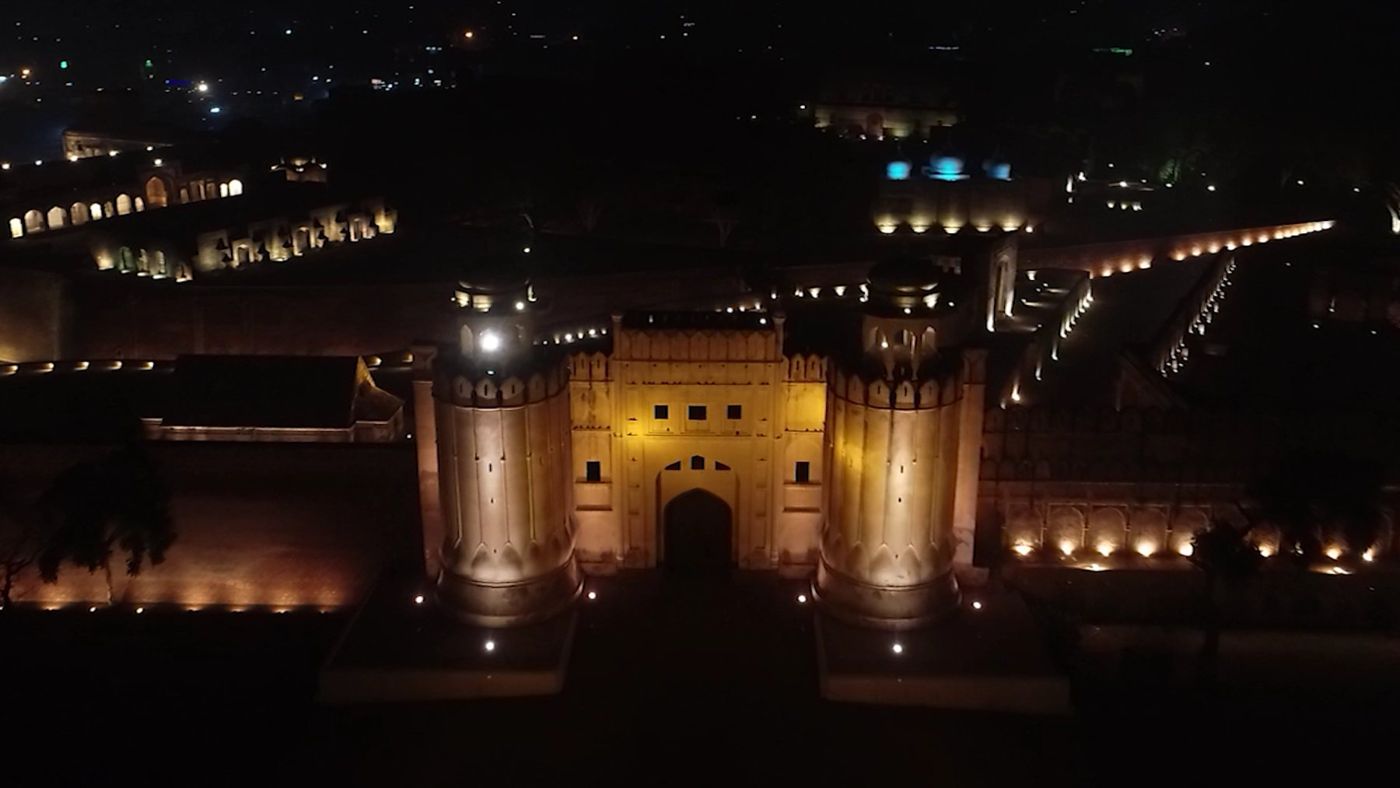
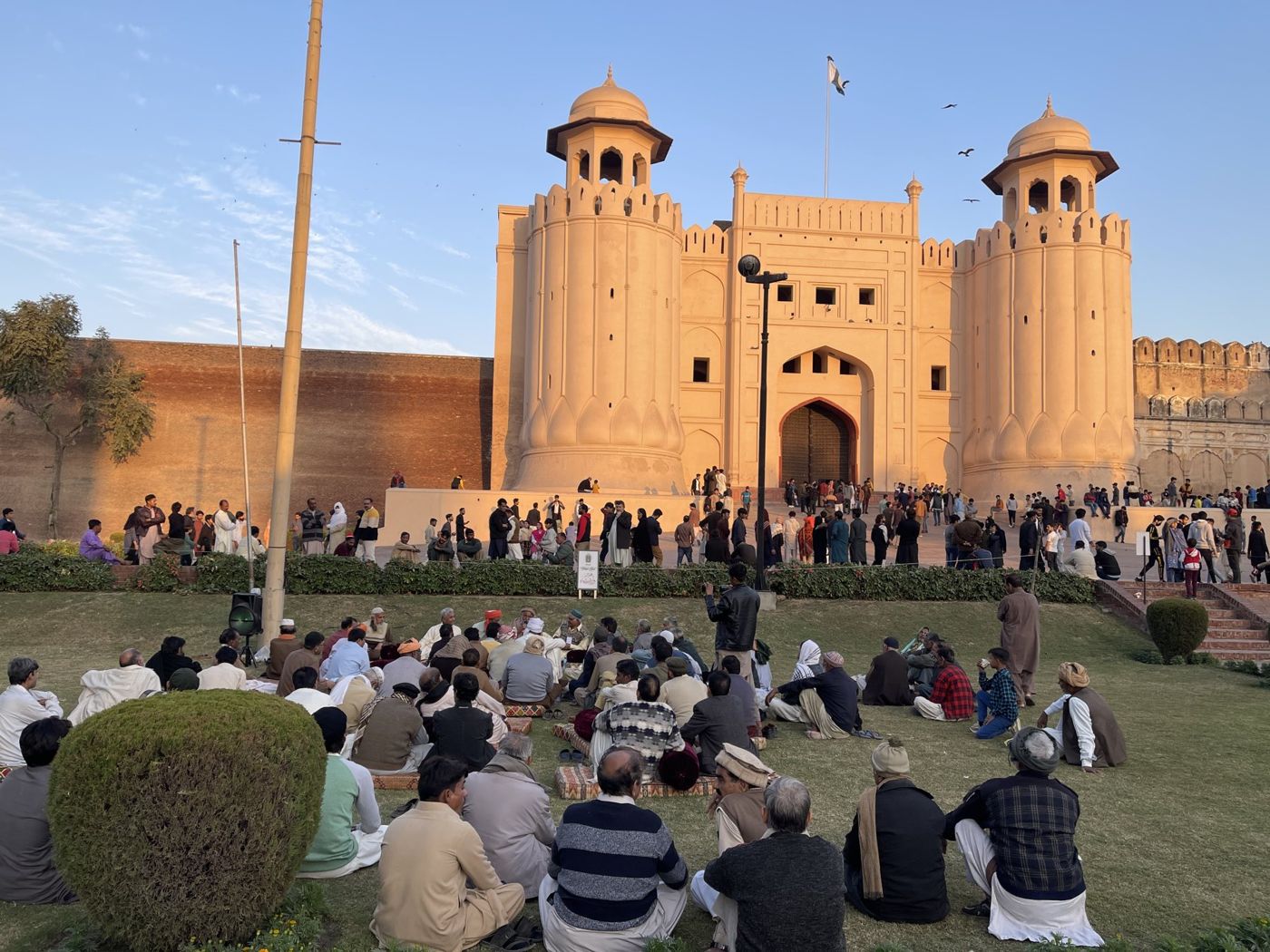
Lahore Fort under heritage illumination

Selected projects & experience

PROJECTS LED BY OUR LEADERSHIP

Each project is presented the same way: the place, the challenge, the reimagination, the implementation and the outcome. Figures appear only where verified.

01

Walled City of Lahore

Urban rehabilitation · Lahore · 2012–2025

The place
A living historic quarter of 256 hectares and approximately 200,000 residents.
The challenge
Overhead services, worn streets and deteriorating façades across a densely occupied core.
The reimagination
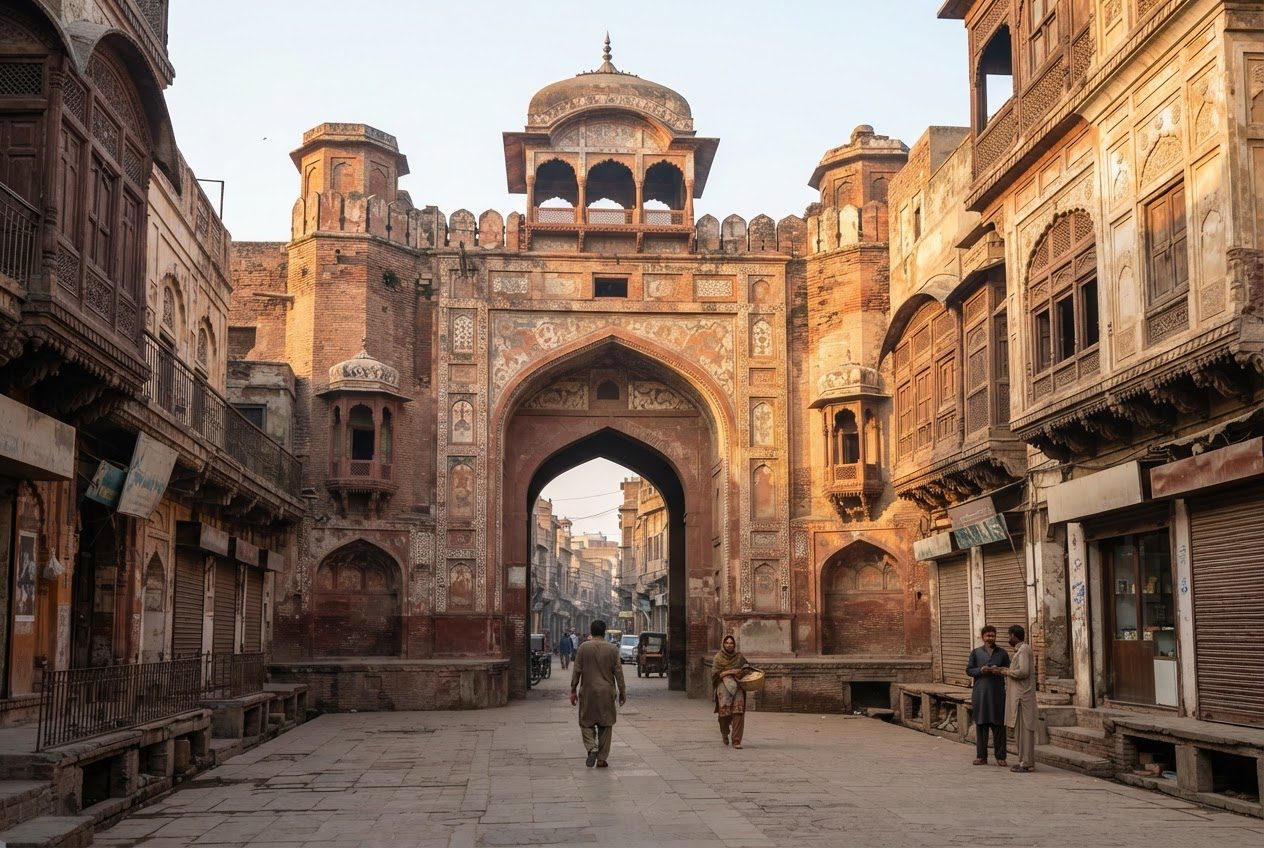
A historic core that works for residents and visitors alike, entered by the Royal Trail from Delhi Gate.
Implementation
Services placed underground and façades restored along the Royal Trail.
Outcome
UNESCO Asia-Pacific Honourable Mention for the conservation of Gali Surjan Singh, 2014.
1,209properties restored
99streets rehabilitated
16%of the Walled City, packages 1–2
Undertaken by
Walled City of Lahore Authority, with the Aga Khan Trust for Culture and the World Bank
Role
Kamran Lashari, Director General
A gateway in the Walled City of Lahore
02

Lahore Fort and the heritage sites

Adaptive reuse & site activation · Lahore · 2012–2025

Completed · public programmeDiscuss a similar projectView the gallery
The place
Mughal-era monuments and buildings across Lahore Fort and the Walled City.
The challenge
Restored buildings without a sustained public use.
The reimagination
Monuments as working venues, open by day and by night.
Implementation
Royal Kitchens, Sheesh Mahal courtyard and Kharak Singh Haveli reopened; the Wekh Androon Lahore street tour and Mela Chiraghan programmed.
Outcome
History by Night, a permanent evening programme at Lahore Fort, in operation since 2017.
Undertaken by
Walled City of Lahore Authority
Role
Kamran Lashari, Director General
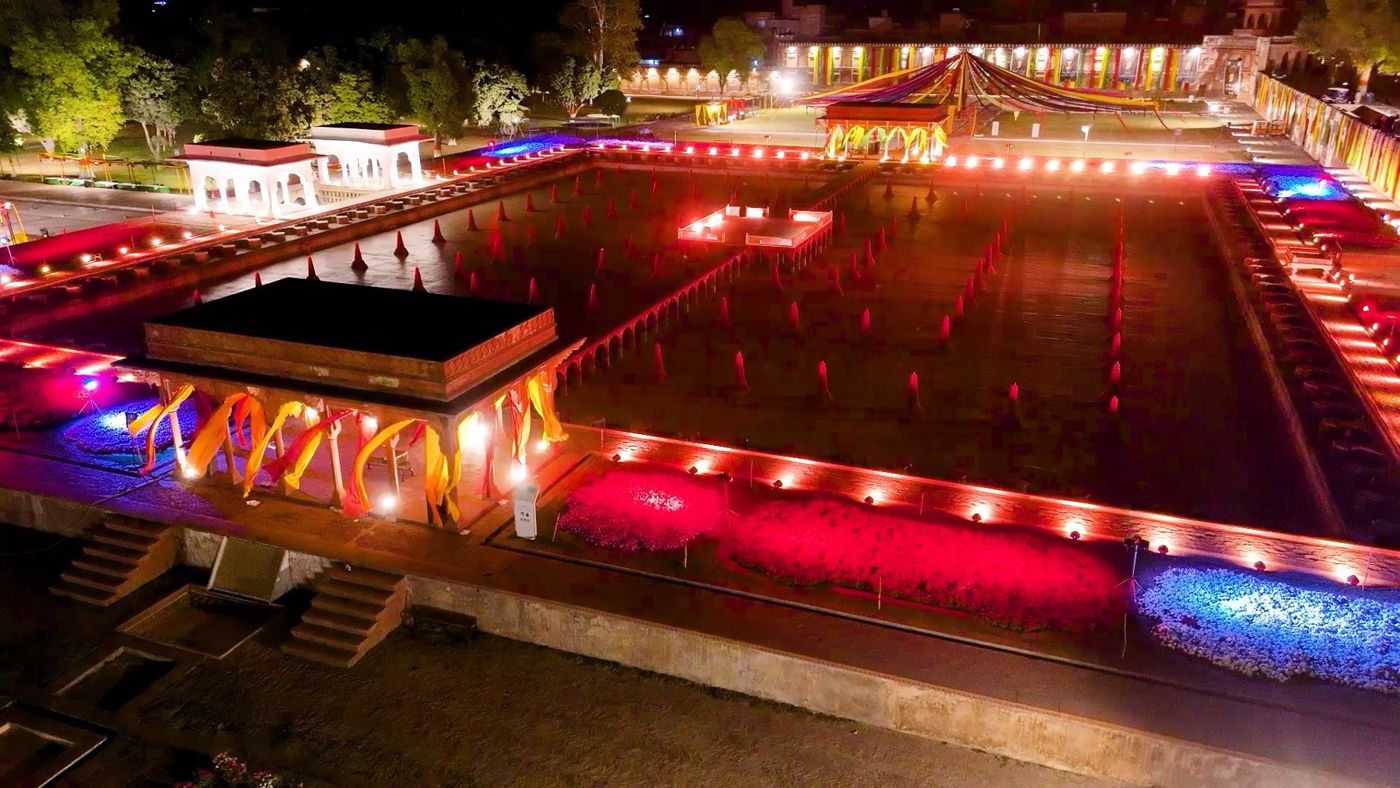
Mela Chiraghan at Shalimar Gardens
03

Shahi Hammam

Conservation · Walled City of Lahore · Completed 2015

The place
A seventeenth-century Mughal bathhouse at Delhi Gate.
The challenge
Buried, altered and encroached upon over centuries.
The reimagination
A public heritage site, open to visitors.
Implementation
Archaeological excavation and conservation of the original fabric.
Outcome
UNESCO Asia-Pacific Award of Merit, 2016.
Undertaken by
Walled City of Lahore Authority, with the Aga Khan Trust for Culture
Role
Kamran Lashari, Director General
Interior of the Shahi Hammam, Lahore
04

Public realm of Islamabad

Civic destinations · Islamabad · 2003–2008

Completed · public programmeDiscuss a similar project
The place
The public land and parks of the federal capital.
The challenge
Too few places in the capital for recreation and gathering.
The reimagination
A network of civic destinations: lakeside, hillside, heritage village and city parks.
Implementation
Parks created or upgraded, Saidpur village restored and walking tracks laid across the city.
Outcome
Lake View Park, Daman-e-Koh and F-9 Park remain among the capital's principal public destinations.
Undertaken by
Capital Development Authority
Role
Kamran Lashari, Chairman
Lakeside promenade in Islamabad
05

Gawalmandi Food Street

Historic street activation · Lahore · 2002

Completed · public projectDiscuss a similar project
The place
A historic bazaar street in old Lahore.
The challenge
A street dominated by traffic, its façades and food trade underused.
The reimagination
An evening food destination in a heritage setting.
Implementation
Evening pedestrianisation, façade restoration, heritage lighting and organised food traders.
Outcome
Among the first schemes of its kind in Pakistan.
Undertaken by
Parks & Horticulture Authority, Lahore
Role
Kamran Lashari, Director General
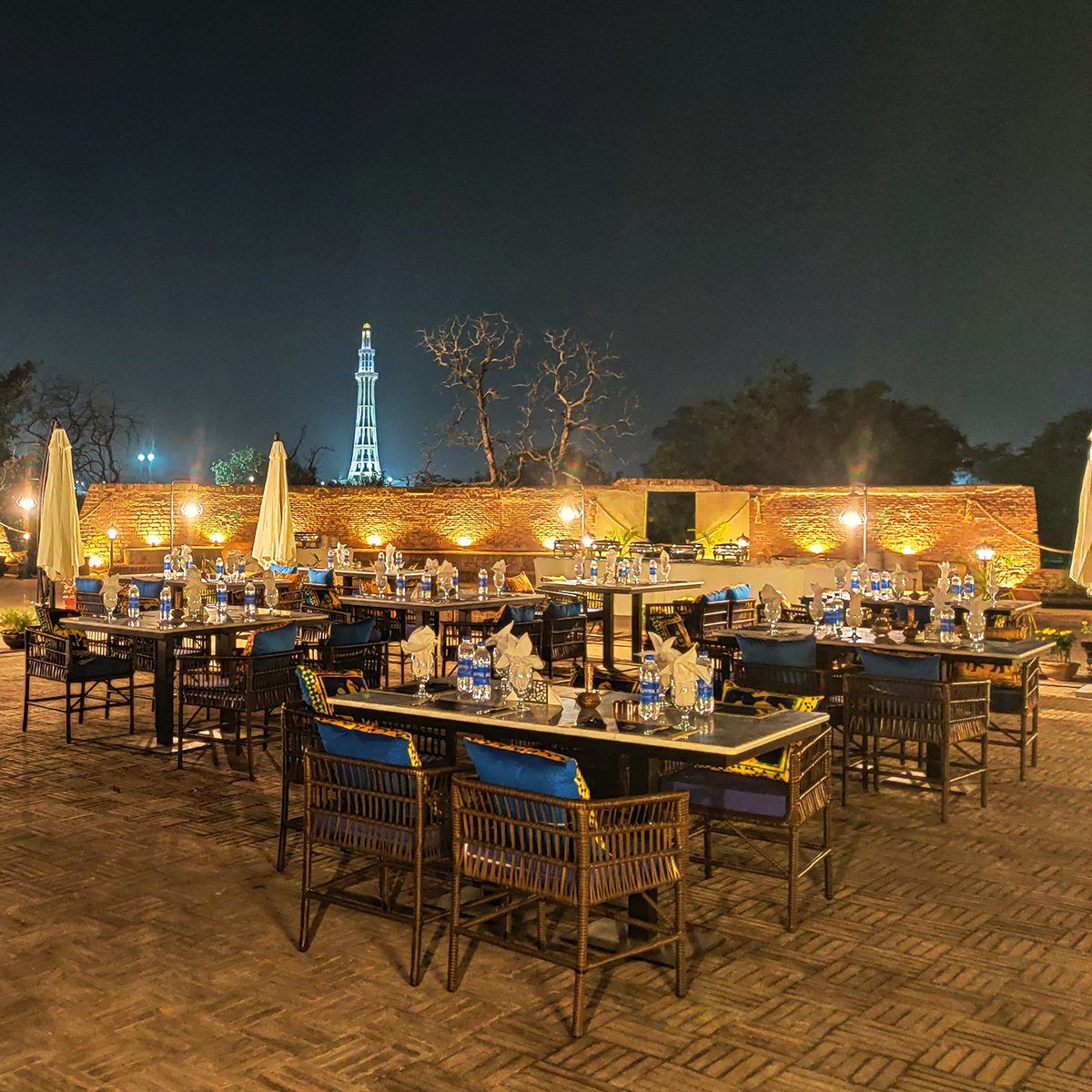
Gawalmandi Food Street at night
06

Penta District, DHA Lahore

Mixed-use repositioning · DHA Phase V, Lahore · Proposal 2026
The place
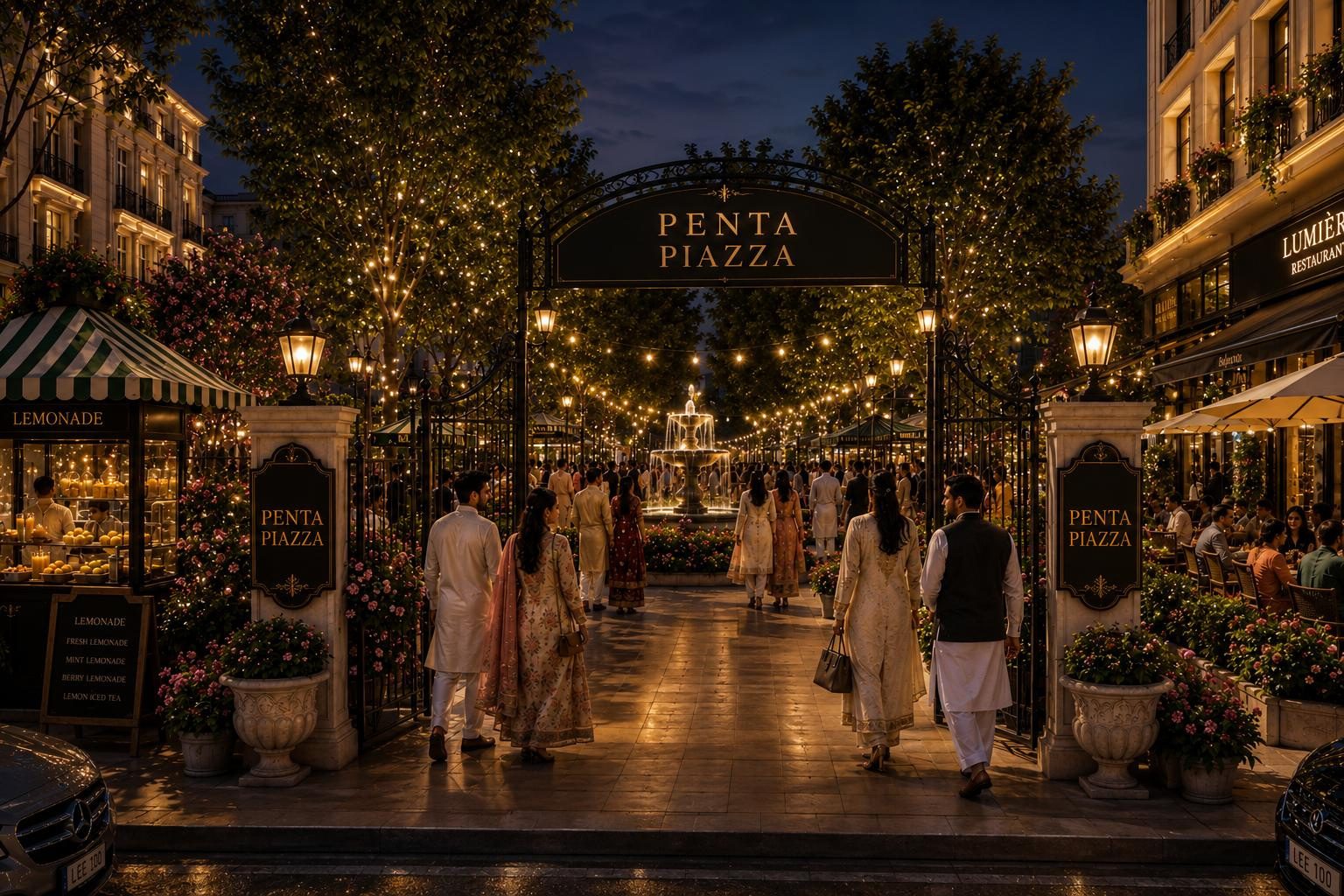
Penta Square, an existing retail complex on Khayaban-e-Jinnah, set around a public piazza.
The challenge
Inward-facing buildings, too little scale for critical mass, inefficient circulation and a dormant public realm.
The reimagination
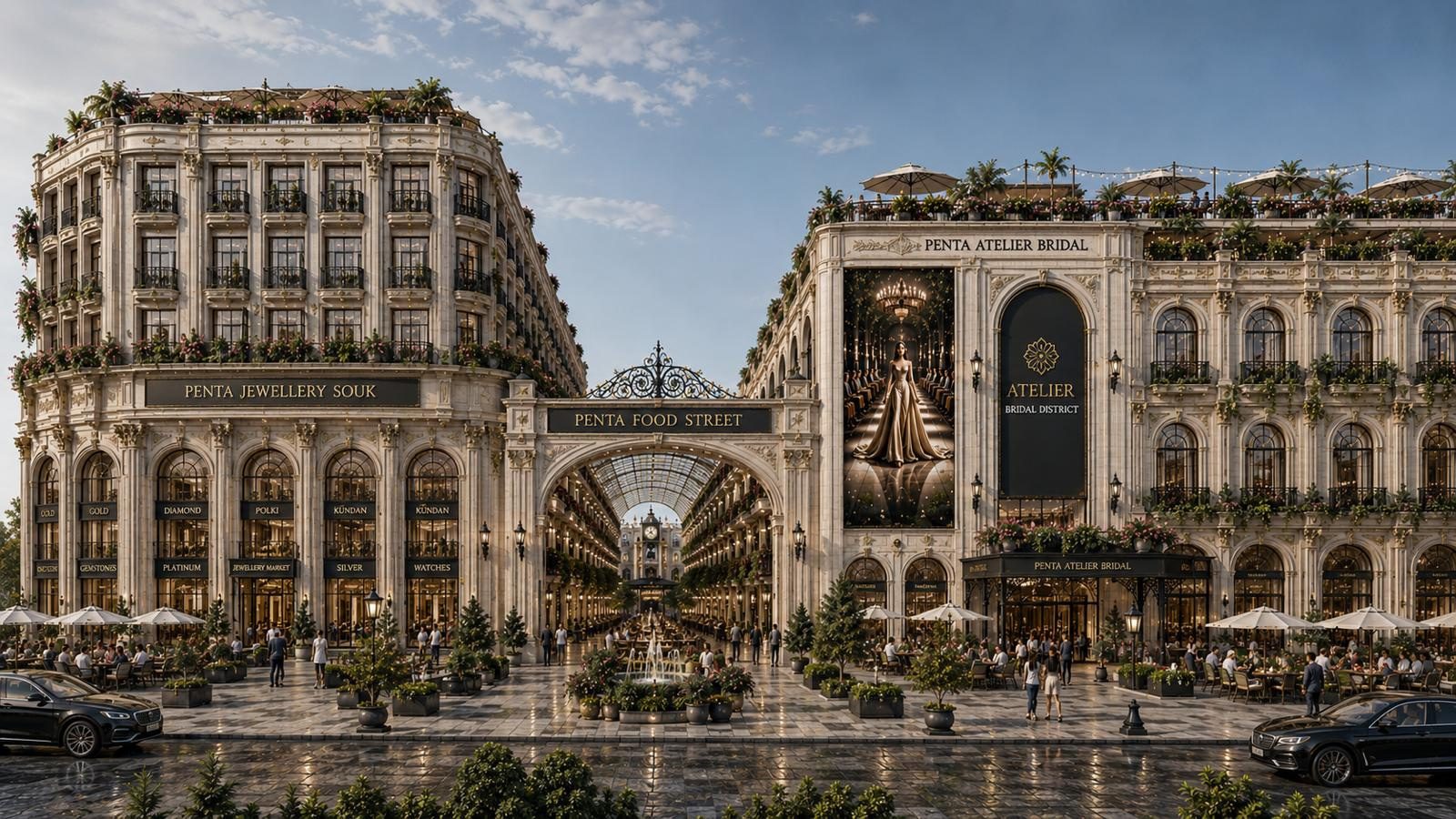
Penta District: an integrated mixed-use lifestyle district combining hospitality, luxury retail, student living, destination dining and civic space.
Implementation
Proposed in three phases: the Piazza, Residences and Campus Commons first; then the Bridal Atelier, Penta Sky rooftop and Promenade; then the Jeweller's Souk and boutique hotel.
Outcome
Executive proposal to DHA Lahore, 2026. Performance to be measured against a baseline once implemented.
  • Bridal Atelier
  • Jeweller's Souk
  • Food Street
  • Penta Piazza
  • Residences
  • Campus Commons
150,000sq ft retail today
75,000sq ft public piazza
6proposed districts
Client
DHA Lahore
Role
Sages & Sagacity: vision, strategy and master plan, led by Kamran Lashari and Sabahat Rafiq
Proposed Penta Piazza by night, Penta District, DHA Lahore
Proposed · illustrative

Leadership

PUBLIC MANDATE, PRIVATE DISCIPLINE

Every appointment is led by both founders.

Kamran Lashari

Kamran Lashari

Founder, Chairman & CEO

Education
M.Sc. Public Administration, Virginia Commonwealth University, USA
LL.B., University of the Punjab

Areas of experience

  • Urban development
  • Capital-city administration
  • Heritage conservation
  • Adaptive reuse
  • Public realm and the evening economy
  • Cultural tourism and festivals
Other appointments

President, Old Ravians Union, GC University Lahore (2006–2017) · President, Pakistan Swimming Federation (2004–2012) · Chairman, Lahore Gymkhana Club (2017–2020) · Vice President, Pakistan Olympic Association

Four decades in Pakistan's senior civil service.

His career has centred on public places: restoring neglected civic and historic assets and returning them to everyday use.

Career

  • 2025–Founder, Chairman & CEO, Sages & SagacityLeadership of the firm and its appointments
  • 2012–2025Director General, Walled City of Lahore AuthorityWalled City conservation, Shahi Hammam, Royal Trail, Lahore Fort, night tourism
  • 2009Chief Commissioner, Islamabad Capital TerritoryAdministration of the federal capital
  • 2008–2012Federal SecretaryPetroleum & Natural Resources; Environment; Housing & Works
  • 2003–2008Chairman, Capital Development AuthorityLake View Park, Saidpur Model Village, Daman-e-Koh, F-9 Park
  • 1998–2003Director General, Parks & Horticulture Authority, LahoreGawalmandi Food Street, Mall Road illumination, city festivals
  • 1993–1996Deputy Commissioner, District LahoreTwo terms

Honours

2025Chevalier de l'Ordre des Arts et des LettresMinistry of Culture, France
202375 Development Leadership AwardMinistry of Planning, Pakistan
2020Tamgha-e-ImtiazPresident of Pakistan
2016UNESCO Asia-Pacific Award of MeritShahi Hammam restoration
2014UNESCO Asia-Pacific Honourable MentionGali Surjan Singh conservation
2024Keynote addressInternational Conference on Heritage & Cultural Conservation
Sabahat Rafiq

Sabahat Rafiq

Co-Founder & COO

Education
Master's, Business Administration & Finance, PAK-AIMS, Lahore

Areas of experience

  • Business strategy and market entry
  • Financial planning
  • Engineering enterprise
  • Organisational development
  • Heritage enterprise and hospitality
  • Islamic finance
Other appointments

Supporter, Pakistan Children's Heart Foundation (USA)

International executive across engineering enterprise, commercial strategy and finance, with leadership roles in Pakistan, the United States, Europe and Asia.

Career

  • 2025–Co-Founder & COO, Sages & SagacityCommercial strategy, finance and operations of the firm
  • 2019–President & CEO, Lampro MellonSoC design and verification; Pakistan, North America, Europe, Asia
  • 2019–Founder & CEO, Luna Heritage, LahoreHeritage-led fashion, food and boutique hospitality
  • 2024–Director of Global Engagement, University of Lahore (UOL–CSUN)International academic partnerships
  • 2015–2019President & Executive Director, United We REACHCommunity development, San Francisco Bay Area
  • EarlierInvestment Banking Analyst, International Islamic Banking GroupSharia-compliant investment banking, United States

Board & public appointments

2023–Independent DirectorPunjab Land Development Company
2023–Convenor, HR CommitteePunjab Land Development Company
2024–Authority MemberPakistan Electronic Media Regulatory Authority, Punjab
BoardDirectorQasim Ali Shah Foundation
BoardMemberIslamic Networks Group, California
SpeakerIslamic finance and South Asian affairsInternational forums

Our approach

A DISCIPLINED METHOD

From first diagnosis to measured performance.

Principles

We begin with the place, not the building.

Footfall, vacancy and inactivity are symptoms, not causes.

Five principles

  1. 01Reimagination before prescriptionInherited uses and assumptions are questioned first.
  2. 02Ideas before capitalConcepts are tested before money is committed to building.
  3. 03Performance, not appearanceWe address why people stay away, not only how a place looks.
  4. 04People create valueUsers, operators and communities shape the proposition.
  5. 05Ideas tied to deliveryEvery concept carries a roadmap, partners and measures of success.
Clients
Owners, developers, investors, institutions and public bodies
Range
From a blank site to an established destination
Result
An evidence-based pathway for change
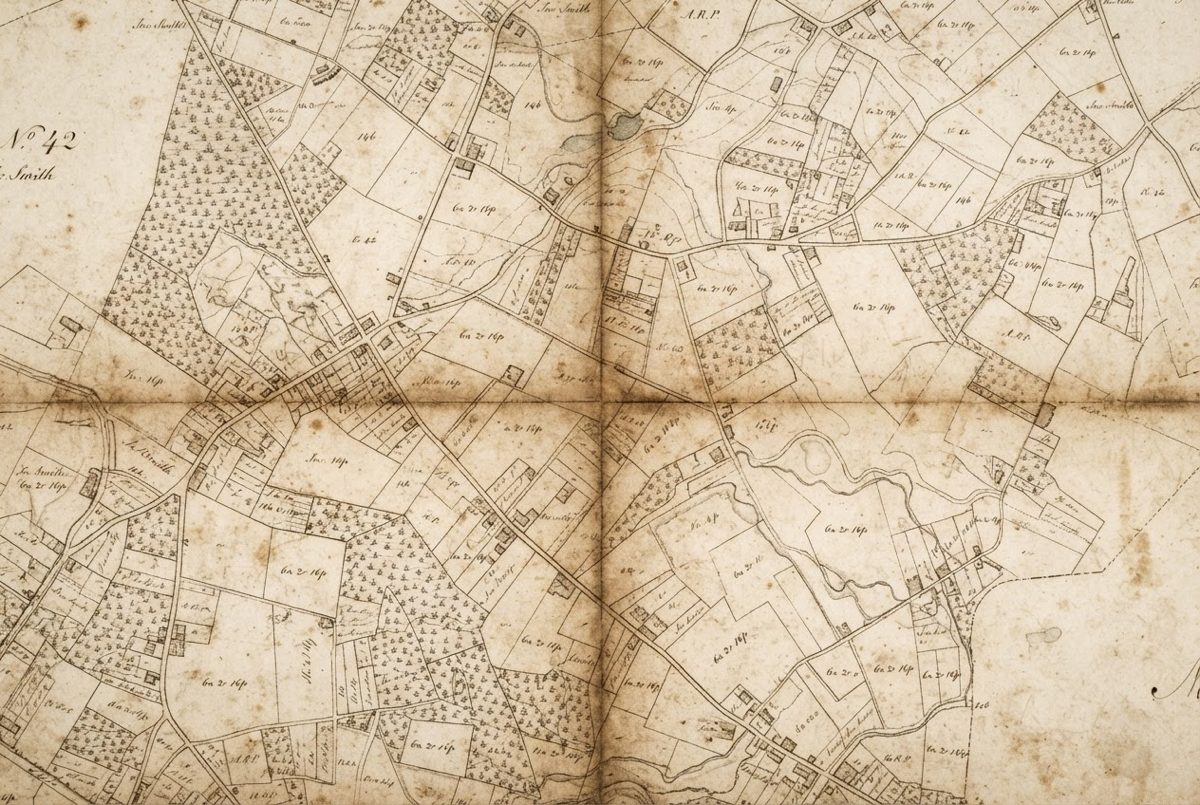
A historic land record map

Method

SEVEN STAGES

Each appointment draws on the stages its questions require.

01

RECOGNISE

We read the place as it is, and as it is used, before forming any view of what it should become.

We examine

  • Physical and spatial context
  • Current and historical uses
  • Ownership and management
  • Access, visibility and movement
  • Existing and potential audiences
  • Role in the wider district

Outputs

  • Place baseline
  • Initial opportunity map
  • Underutilised assets
  • Working hypotheses
02

DIAGNOSE

We trace each symptom to its cause. No remedy, whether renovation, a new tenant or redevelopment, is assumed before the evidence supports it.

We examine

  • Footfall, dwell time and repeat visits
  • Vacancy and tenant churn
  • Tenant and activity mix
  • Identity and reasons to visit
  • Access, comfort and safety
  • Operational, market and financial constraints

Outputs

  • Problem definition
  • Root-cause analysis
  • User and stakeholder insight
  • Performance baseline
  • Priority challenges and opportunities
03Signature stage

REIMAGINE

Options are developed side by side and judged on substance, not on images.

We explore

  • New and adaptive uses
  • Temporary and interim uses
  • Retail formats and tenant ecosystems
  • Cultural, civic and community uses
  • Event- and programme-led activation
  • Partnerships and phased interventions

Outputs

  • Future-use scenarios
  • Concept narratives
  • Audience definitions
  • Value proposition for each scenario
  • Illustrative spatial or experience concepts
  • Opportunities conventional analysis overlooks
04

CURATE

Every alternative is scored against the same criteria. For retail and commercial places these extend to tenant and category mix, anchors and adjacencies.

Assessed against

  • User and community relevance
  • Market demand and competition
  • Site suitability
  • Commercial and operational viability
  • Investment and phasing
  • Regulatory and delivery constraints
  • Speed to activation

Outputs

  • Preferred direction and rationale
  • Strategic positioning
  • Use and activity mix
  • Feasibility considerations
  • Risks, dependencies and validation needs
05

MOBILISE

A core capability, not an afterthought. Markets, events, co-creation and pop-up activity are chosen for the place; no project requires them all.

We engage

  • Owners, investors and asset managers
  • Public authorities and institutions
  • Retailers, tenants and operators
  • Local businesses and residents
  • Cultural and event partners
  • Visitors and user groups

Outputs

  • Stakeholder map
  • Engagement and mobilisation plan
  • Activation calendar
  • Partnership opportunities
  • Roles and coordination
06

ACTIVATE

Every action is sequenced, resourced and assigned. Pilots test demand before permanent investment is committed.

We set

  • Sequence and phasing
  • Pilots before permanent works
  • Resources and budget
  • Approvals and dependencies
  • Delivery partners

Outputs

  • Implementation roadmap
  • Prioritised action plan
  • Governance and responsibilities
  • Communication plan
07

MEASURE & EVOLVE

A baseline is fixed before intervention wherever practical, so that results are attributed, not assumed.

Metrics may include

  • Footfall and dwell time
  • Repeat visits
  • Occupancy and vacancy
  • Retailer participation and retention
  • Event attendance
  • Satisfaction and user diversity
  • Leasing interest
  • Revenue indicators, where data allows

Outputs

  • Performance framework
  • Before-and-after assessment
  • Lessons learned
  • Recommended refinements
  • Next-stage opportunities

Continuous improvement

AN ADAPTIVE LOOP

Not a rigid sequence. Evidence decides where a project goes next.

The adaptive loopSeven stages arranged in a cycle, from Recognise to Measure and Evolve, with a return path from Measure and Evolve back to Reimagine. REIMAGINEAGAIN 01Recognise02Diagnose03Reimagine04Curate05Mobilise06Activate07Measure & Evolve

What sends a project back

  • New evidenceReturns the project to Diagnose.
  • Market changeReturns the project to Curate.
  • Community feedbackReturns the project to Mobilise.
  • Performance resultsReturn the project to Reimagine.

Idea generation

HOW IDEAS ARE GENERATED

The working methods behind the Reimagine stage.

01

Reframe the problem

Question the brief, the inherited use and the assumptions behind it.

02

Map underused assets

Space, frontage, access, history and capacity not yet put to work.

03

Read user needs

Who comes, who does not, and what demand is unmet.

04

Study precedents

What comparable places have tried, and what worked.

05

Combine uses

Commercial, cultural, social and public-realm opportunities in one proposition.

06

Test assumptions

Through research, stakeholder input, pilots or feasibility work, before a concept goes forward.

Footfall and value

WHY PEOPLE COME

How a place attracts activity, holds it and turns it into value.

  1. 01

    Proposition

    What is this place for, and why is it relevant?

  2. 02

    Reasons to visit

    What activities, services or experiences does it offer?

  3. 03

    Access & discovery

    Can people find it, reach it and move through it?

  4. 04

    Reasons to stay

    Comfort, amenity, social life and things to do.

  5. 05

    Reasons to return

    Quality, variety, relevance and changing experiences.

  6. 06

    Activity & value

    Does more use serve the civic, cultural or commercial purpose?

Footfall is one measure, not the result. More visitors do not by themselves mean stronger sales, sustainable occupancy or higher value. Each requires its own evidence, and we measure each separately.

Levels of intervention

FOUR LEVELS OF INTERVENTION

Options, not a compulsory progression. We seek the most appropriate intervention, not the largest.

  1. Level 01

    Reprogramme

    Change activities, events, hours, services or management practices.

    • Events and markets
    • Revised hours
    • New services
    • Management changes
  2. Level 02

    Reposition

    Change the identity, target audience, tenant mix, use mix or reasons to visit.

    • Destination identity
    • Tenant and use mix
    • New audiences
    • Commercial proposition
  3. Level 03

    Reactivate & Adapt

    Introduce interim uses, adaptive reuse, targeted improvements or redesigned experiences.

    • Meanwhile uses
    • Adaptive reuse
    • Better connections
    • Targeted refurbishment
  4. Level 04

    Redevelop or Transform

    Consider substantial physical transformation where diagnosis, feasibility and the strategic case justify it.

    • Phased redevelopment
    • Structural change
    • New build
    • Master-planned renewal

Scope

CLEAR ON WHAT WE DO

We advise and conceive

Strategy, concepts and activation plans. Implementation support where agreed.

Specialists deliver

Architectural design, engineering, construction, cost, legal, planning, valuation and leasing services, by qualified professionals named in our proposal.

We do not

Raise capital, solicit investors, manage funds, broker property, or guarantee approvals, footfall, returns or construction outcomes. Past public office confers no present influence.

Start a conversation

WHAT COULD YOUR PLACE BECOME

Tell us about the place and the challenge you face.

  1. 01

    Review

    Our leadership reviews each inquiry within five working days.

  2. 02

    Conversation

    Matters within our scope proceed to an initial discussion.

  3. 03

    Proposal

    Scope, deliverables, specialists and fees, set out in writing.

01Your details

02The place

03The opportunity

0 / 1,500

04Supporting material (optional)

Voice noteRecord a brief of up to three minutes.
0:00